

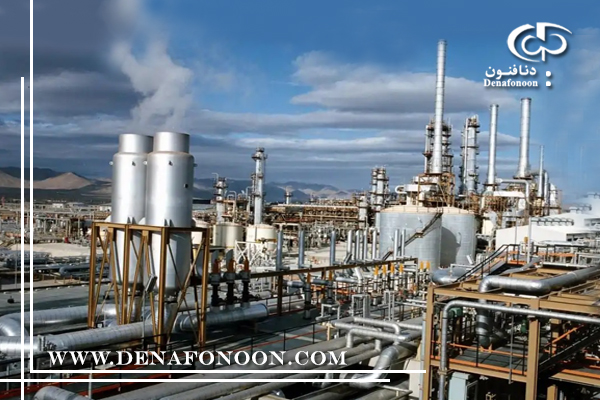
Petrochemical Wastewater Treatment | Methods, Stages, Challenges, and Essential Equipment
Petrochemical wastewater treatment uses specialized processes and equipment, such as clarifiers and filter presses, to play a vital role in pollutant removal, sludge management, and water recycling.
VisitCount 2
Wastewater generated by the petrochemical industry contains organic compounds, oils, chemicals, hydrocarbons, and other complex contaminants, requiring specialized treatment processes and efficient equipment. In a standard wastewater treatment system, equipment such as clarifiers and filter presses, alongside other treatment units, plays a crucial role in pollutant removal, sludge management, water recycling, and compliance with environmental standards. This article explores the key stages and methods of petrochemical wastewater treatment, essential equipment, and effective sludge management solutions for petrochemical plants.
Why Is Petrochemical Wastewater Treatment Important?
The petrochemical industry plays a vital role in supplying raw materials to numerous industries, including plastics, rubber, paints, resins, synthetic fibers, and chemical products. Alongside these production processes, significant volumes of industrial wastewater are generated. In terms of chemical composition, this wastewater is among the most complex types of industrial effluent. The presence of organic compounds, hydrocarbons, oil and grease, chemicals, suspended solids, heavy metals, and other contaminants means that discharging untreated wastewater poses a serious threat to water resources, soil, and the environment.
In recent years, stricter environmental regulations, rising industrial water supply costs, and thshift toward sustainable industrial development have made investment in water treatment and recycling systems a growing priority for petrochemical complexes.
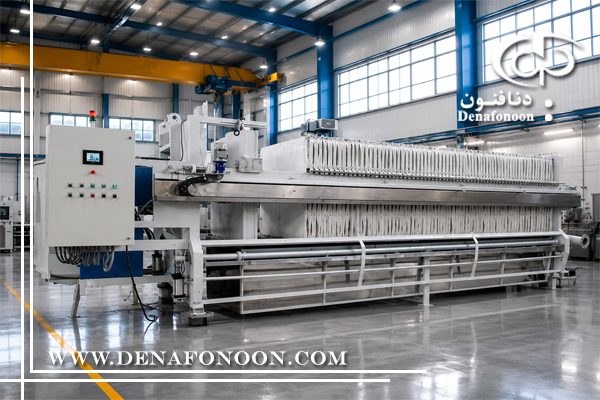
Consequently, selecting appropriate treatment processes and using equipment suited to the characteristics of the wastewater, including filter presses for sludge dewatering, play an important role in improving treatment efficiency, reducing operating costs, and managing generated waste. In the following sections, this article examines the main contaminants, treatment methods, equipment used, and the role of filter presses in petrochemical wastewater treatment.
What Is Petrochemical Wastewater and How Is It Generated?
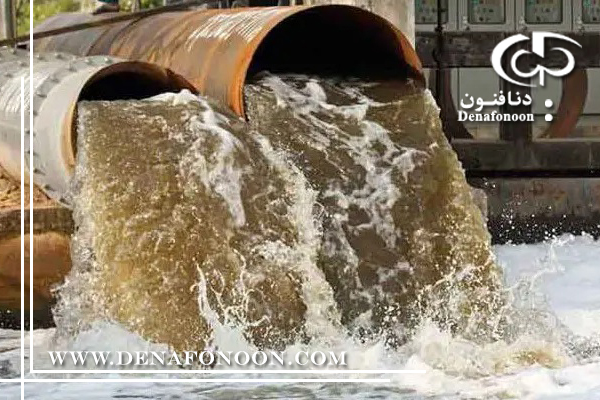
Petrochemical wastewater refers to water streams generated during various stages of production, equipment washing, cooling, auxiliary operations, and other operational processes within petrochemical complexes. These streams typically contain chemical pollutants, organic compounds, hydrocarbons, oil and grease, suspended solids, and other dissolved substances. Before being discharged into the environment or reused, they must undergo appropriate treatment processes.
In general, the main sources of wastewater generation in the petrochemical industry can be classified into the following categories:
· Water from washing equipment, transfer lines, and storage tanks
· Contaminated water generated during production processes
· Cooling tower blowdown
· Wastewater from steam and boiler systems
· Contaminated stormwater runoff from operational areas
· Wastewater from laboratories, maintenance activities, and auxiliary units
Accurately identifying the sources of wastewater and understanding the characteristics of each stream are the first steps in designing an efficient treatment system. The appropriate selection of treatment processes and equipment is only possible after a thorough analysis of the wastewater characteristics. Without such an analysis, even the most advanced equipment may fail to achieve the desired performance in pollutant removal, sludge management, and water recycling.
Major Contaminants in Petrochemical Wastewater
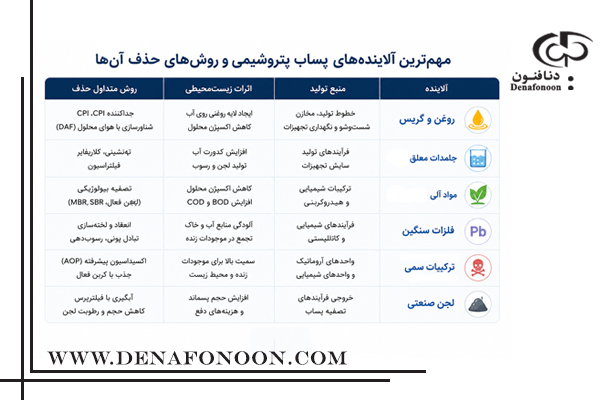
Petrochemical wastewater is considered one of the most complex types of industrial wastewater in terms of chemical composition. The types and concentrations of contaminants depend on factors such as the products manufactured, the processes used, the raw materials, and the operating conditions of each petrochemical complex. As a result, wastewater characteristics vary across different petrochemical facilities, and treatment systems must be designed to address the specific contaminants present.
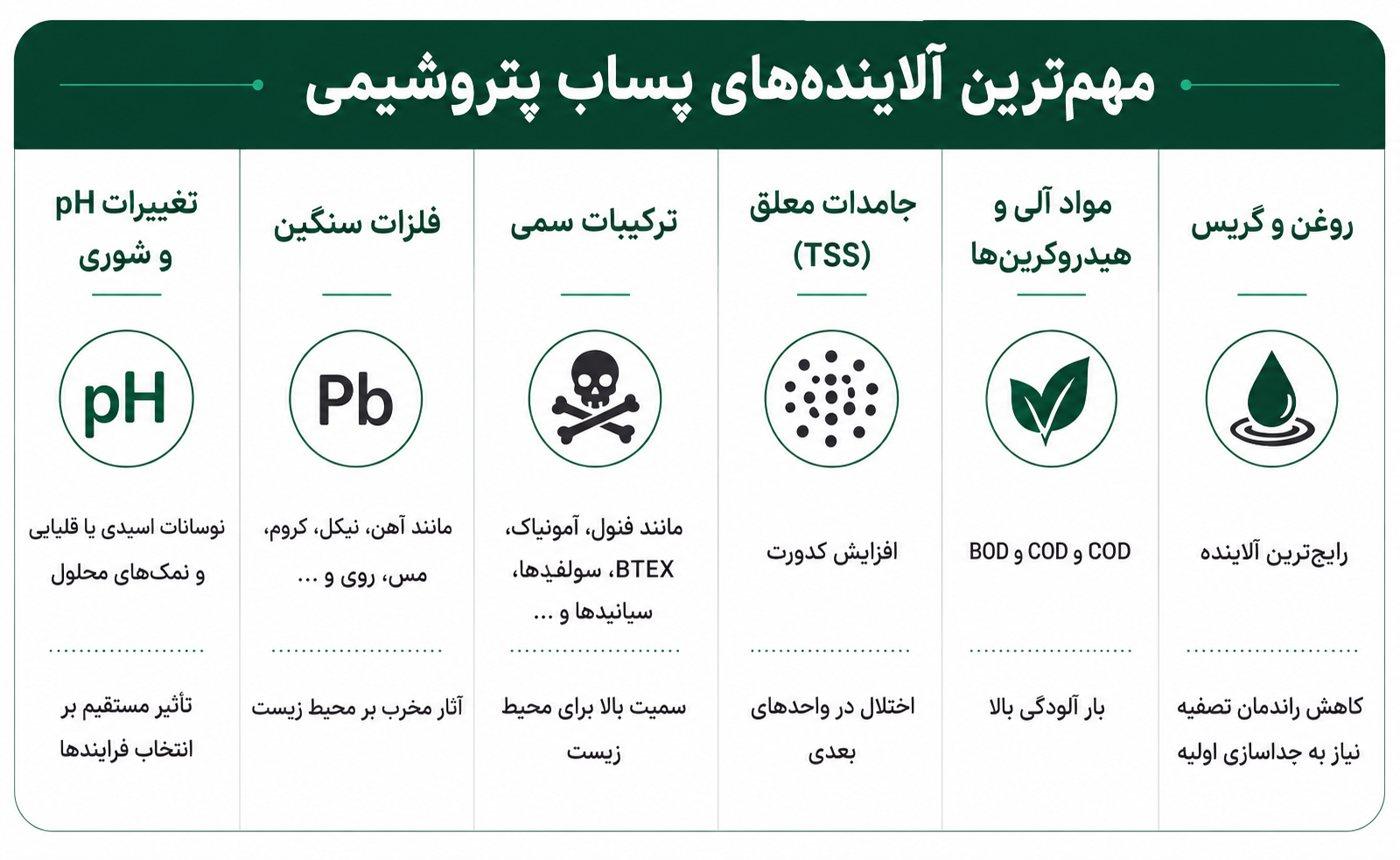
The main contaminants found in petrochemical wastewater include the following:
• Oil and Grease
Oils and petroleum-based compounds are among the most common contaminants in petrochemical wastewater. They can reduce treatment efficiency and interfere with equipment performance. For this reason, oil separation units are typically used during the preliminary stages of treatment.
• Organic Compounds and Hydrocarbons
Organic compounds, petroleum hydrocarbons, and dissolved chemicals account for a significant portion of the pollutant load in petrochemical wastewater. These substances are often major contributors to increased Chemical Oxygen Demand (COD) and Biochemical Oxygen Demand (BOD) levels.
• Suspended Solids
Fine solid particles, sludge, sediments, and suspended matter increase wastewater turbidity. If not removed, they can adversely affect the performance of downstream treatment units.
• Toxic Compounds
Certain petrochemical processes may generate wastewater containing compounds such as phenol, ammonia, sulfides, benzene, toluene, and xylene (BTEX). Removing these contaminants may require specialized treatment processes.
• Heavy Metals
Depending on the production process, wastewater may also contain metals such as iron, nickel, chromium, copper, and zinc. Their release into the environment can have harmful consequences.
• pH Variations and Salinity
Fluctuations in wastewater acidity or alkalinity, along with high concentrations of dissolved salts, are other important characteristics that directly influence the selection of treatment processes and equipment.
In practice, the combination of these contaminants means that meeting discharge standards or water reuse requirements often requires several complementary treatment processes. Petrochemical wastewater generally cannot be treated effectively using a single method alone. Instead, a combination of physical, chemical, and biological processes is typically employed to achieve the required discharge or water reuse standards.
These processes also generate significant volumes of sludge in many cases. Sludge dewatering and management therefore play an important role in reducing operating costs. For this reason, equipment such as filter presses, which are among the effective technologies for sludge dewatering, is widely used in many petrochemical wastewater treatment systems.
Challenges in Petrochemical Wastewater Treatment
Managing and treating wastewater streams from petrochemical complexes is one of the most complex treatment challenges across industrial sectors due to the diversity of contaminants and continuous variations in wastewater quality. Selecting appropriate treatment processes and equipment suited to wastewater characteristics directly affects treatment efficiency, operating costs, and the potential for water recycling.
The main challenges in petrochemical wastewater treatment include:
· A wide variety of contaminants and high pollutant concentrations
· Fluctuations in wastewater flow rates and quality across different units
· The presence of compounds resistant to biological degradation
· The generation of significant volumes of sludge and the need for effective sludge management
· Compliance with stringent environmental standards for wastewater discharge or reuse
· Control of operating costs and energy consumption in treatment facilities
For these reasons, petrochemical wastewater treatment plants typically employ a combination of physical, chemical, and biological processes. This integrated approach helps maximize contaminant removal efficiency while enabling effective sludge management and water recycling.
Stages of Petrochemical Wastewater Treatment
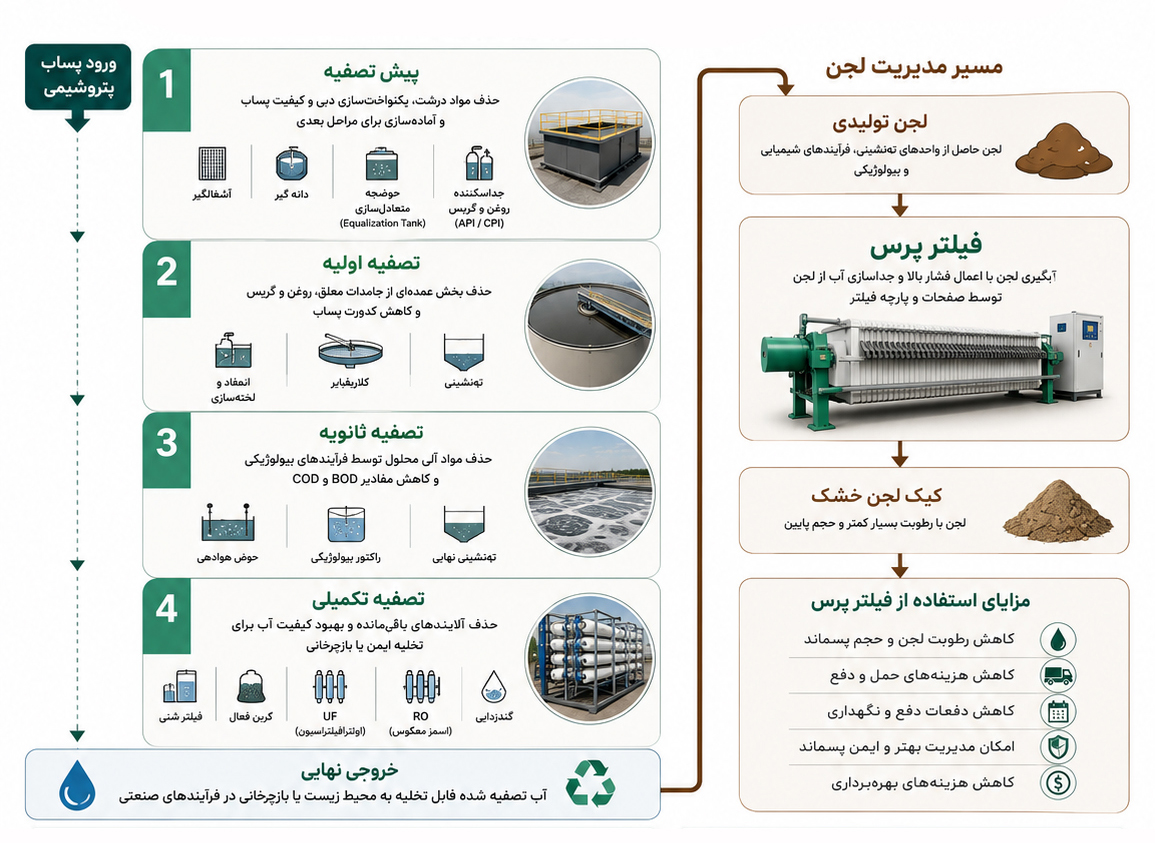
Petrochemical wastewater treatment is typically carried out in four main stages. The objective is to progressively remove contaminants, reduce the pollutant load, and bring the water quality into compliance with the required standards for discharge or recycling. Depending on the production processes and wastewater characteristics, additional advanced treatment units may also be used in some petrochemical complexes.
1. Pre-treatment
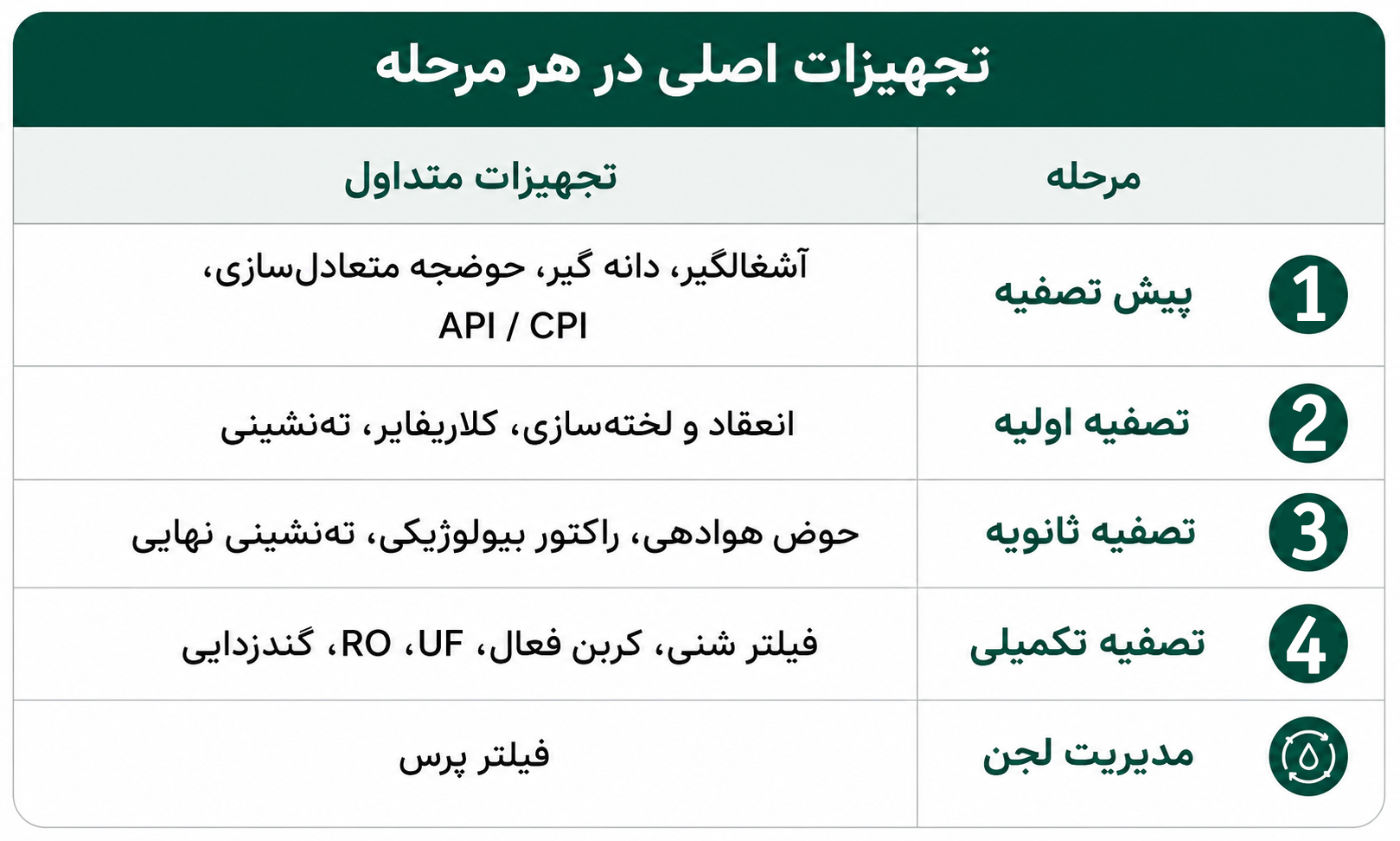
During the pre-treatment stage, coarse contaminants and materials that could damage equipment are removed from the wastewater stream. Equipment such as bar screens, grit chambers, equalization tanks, and oil and grease separation units (API or CPI separators) are commonly used at this stage. The objective is to equalize wastewater flow rates and quality and prepare the stream for subsequent treatment stages.
2. Primary Treatment
At this stage, a significant portion of suspended solids, oil and grease, and settleable particles is removed. This process typically involves sedimentation, coagulation, and flocculation. In many petrochemical facilities, clarifiers play an important role in separating flocs and reducing wastewater turbidity, thereby lowering the pollutant load entering the biological treatment units.
3. Secondary Treatment
Following the removal of physical contaminants, the focus shifts to reducing dissolved organic pollutants. At this stage, biological treatment processes use microorganisms to break down organic matter in the wastewater, reducing Biochemical Oxygen Demand (BOD) and Chemical Oxygen Demand (COD) levels. The selection of the appropriate biological treatment process depends on the wastewater composition and the operating conditions of each petrochemical complex.
4. Tertiary Treatment
When water recycling is required or stringent environmental standards must be met, the wastewater undergoes tertiary treatment. Processes such as filtration, activated carbon adsorption, advanced oxidation, ion exchange, and membrane systems are used to remove residual contaminants and further improve water quality.
Alongside these treatment stages, sludge management is also an essential part of the overall process. Sludge generated by sedimentation units and chemical treatment processes must be dewatered before disposal or recovery. Filter presses are among the most widely used and effective pieces of equipment for reducing sludge moisture content, minimizing waste volume, and lowering transportation and disposal costs at petrochemical wastewater treatment plants.
The Role of Filter Presses in Petrochemical Wastewater Treatment
In petrochemical wastewater treatment plants, treating the water is only part of the process. Managing the sludge generated during treatment is also an essential aspect of plant operation. Significant volumes of sludge are produced at various treatment stages, particularly following coagulation, flocculation, and sedimentation. If not managed properly, this sludge can substantially increase transportation, disposal, and storage costs.
One of the most effective methods for reducing sludge volume is the use of a filter press. By applying high pressure, this equipment separates water from the sludge and converts it into a filter cake with a lower moisture content. Reducing sludge volume, facilitating transportation, lowering disposal costs, and improving waste management are among the key benefits of using filter presses in petrochemical wastewater treatment plants.
Given the operating conditions in the petrochemical industry, selecting a filter press with the appropriate capacity, chemically resistant filter plates, and a reliable operating system plays an important role in improving dewatering efficiency and reducing operating costs. For this reason, many petrochemical complexes use filter presses as key equipment for sludge management.
Danafonoon, a manufacturer of industrial wastewater treatment equipment, designs and manufactures filter presses with capacities and technical specifications tailored to the requirements of various industries, including the petrochemical sector. The use of high-quality materials, engineered designs, and customizable equipment makes Danafonoon filter presses a suitable option for industrial wastewater treatment projects.
Frequently Asked Questions About Petrochemical Wastewater Treatment
Can a single wastewater treatment system be used for all petrochemical complexes?
No. The composition and concentration of wastewater contaminants in each petrochemical complex depend on the feedstock, production processes, final products, and operating conditions. Therefore, treatment systems must be designed based on a detailed wastewater analysis. Applying the same treatment solution to every facility will generally not deliver optimal performance.
Why is sludge management so important in petrochemical wastewater treatment?
During treatment, a significant proportion of contaminants is separated from the wastewater in the form of sludge. If this sludge is not properly dewatered, transportation, storage, and disposal costs can increase substantially. For this reason, sludge management is one of the most important aspects of designing and operating petrochemical wastewater treatment plants.
What role does a filter press play in petrochemical wastewater treatment?
A filter press is a key piece of equipment for sludge dewatering. By reducing the moisture content of sludge, it significantly decreases its volume and weight, thereby lowering transportation, disposal, and waste management costs. As a result, using filter presses in many petrochemical wastewater treatment plants helps improve operational efficiency and reduce operating costs.
What factors should be considered when selecting a filter press for the petrochemical industry?
A filter press should be selected based on sludge production capacity, contaminant characteristics, system flow rate, target moisture content, filter plate material, operating pressure, and operating conditions. Build quality, after-sales service, and spare parts availability are also important factors affecting the equipment's long-term performance.
Are Danafonoon filter presses suitable for the petrochemical industry?
Yes. With more than three decades of experience in designing and manufacturing industrial wastewater treatment equipment, Danafonoon produces a range of filter presses tailored to the needs of various industries, including petrochemicals. These systems are selected and designed according to the sludge characteristics, required capacity, and operating conditions of each project to provide high dewatering efficiency and low maintenance costs.
Conclusion
Effective wastewater management in the petrochemical industry is one of the key requirements for sustainable operations and environmental protection. Given the diversity of contaminants, variations in wastewater quality, and the large volumes of sludge generated, achieving optimal treatment performance depends on selecting the right treatment processes and using suitable equipment.
In an efficient treatment system, each unit serves a specific purpose, from removing initial contaminants to managing sludge and recycling water. In this context, equipment such as clarifiers and filter presses plays an important role in improving treatment efficiency, reducing sludge volume, lowering operating costs, and enhancing overall treatment plant performance.
If you need expert guidance on designing or upgrading a petrochemical wastewater treatment system, selecting suitable equipment, or requesting a quotation for a wastewater treatment filter press, the specialists at Danafonoon are ready to assess your project requirements and recommend the most suitable solutions and equipment for your facility.